
Artificial Intelligence (AI) has moved beyond experimental applications and is now fundamentally transforming the financial sector worldwide. From traditional banking to insurance, asset management, and fintech, AI tools are being used to automate complex processes, enhance predictive capabilities, and deliver personalized services. Financial institutions are leveraging AI for fraud detection, real-time transaction monitoring, credit scoring, and smarter investment decisions, while customers enjoy faster, more convenient services tailored to their specific needs. As AI continues to evolve, its integration will reshape financial strategies and global economic dynamics over the next decade.

𝐇𝐨𝐰 𝐀𝐫𝐭𝐢𝐟𝐢𝐜𝐢𝐚𝐥 𝐈𝐧𝐭𝐞𝐥𝐥𝐢𝐠𝐞𝐧𝐜𝐞 𝐢𝐬 𝐓𝐫𝐚𝐧𝐬𝐟𝐨𝐫𝐦𝐢𝐧𝐠 𝐓𝐫𝐚𝐝𝐢𝐭𝐢𝐨𝐧𝐚𝐥 𝐁𝐚𝐧𝐤𝐢𝐧𝐠 𝐒𝐲𝐬𝐭𝐞𝐦𝐬 𝐚𝐧𝐝 𝐄𝐧𝐡𝐚𝐧𝐜𝐢𝐧𝐠 𝐆𝐥𝐨𝐛𝐚𝐥 𝐄𝐜𝐨𝐧𝐨𝐦𝐢𝐜 𝐒𝐭𝐫𝐮𝐜𝐭𝐮𝐫𝐞𝐬 𝐛𝐲 𝐄𝐧𝐚𝐛𝐥𝐢𝐧𝐠 𝐑𝐞𝐚𝐥-𝐓𝐢𝐦𝐞 𝐃𝐚𝐭𝐚 𝐀𝐧𝐚𝐥𝐲𝐭𝐢𝐜𝐬 𝐚𝐧𝐝 𝐀𝐮𝐭𝐨𝐦𝐚𝐭𝐞𝐝 𝐏𝐫𝐨𝐜𝐞𝐬𝐬𝐞𝐬
AI is redefining banking processes by replacing repetitive manual tasks with automated systems capable of handling enormous volumes of financial transactions with high accuracy. Banks are using AI-driven algorithms for risk assessment, fraud prevention, loan approvals, and customer profiling. Real-time data analytics allows institutions to detect market trends, respond to regulatory changes, and predict financial risks much faster than traditional methods. By automating these processes, banks save time, reduce operational costs, and improve decision-making across departments.
AI is redefining banking processes by replacing repetitive manual tasks with automated systems capable of handling enormous volumes of financial transactions with high accuracy. Banks are using AI-driven algorithms for risk assessment, fraud prevention, loan approvals, and customer profiling. Real-time data analytics allows institutions to detect market trends, respond to regulatory changes, and predict financial risks much faster than traditional methods. By automating these processes, banks save time, reduce operational costs, and improve decision-making across departments.
𝐇𝐨𝐰 𝐀𝐈 𝐀𝐮𝐭𝐨𝐦𝐚𝐭𝐞𝐬 𝐂𝐫𝐢𝐭𝐢𝐜𝐚𝐥 𝐁𝐚𝐧𝐤𝐢𝐧𝐠 𝐏𝐫𝐨𝐜𝐞𝐬𝐬𝐞𝐬 𝐚𝐧𝐝 𝐄𝐧𝐚𝐛𝐥𝐞𝐬 𝐐𝐮𝐢𝐜𝐤, 𝐄𝐟𝐟𝐢𝐜𝐢𝐞𝐧𝐭 𝐑𝐞𝐬𝐩𝐨𝐧𝐬𝐞𝐬 𝐭𝐨 𝐌𝐚𝐫𝐤𝐞𝐭 𝐂𝐡𝐚𝐧𝐠𝐞𝐬
By integrating AI into critical banking operations, financial institutions can process loans and transactions faster and more accurately. Automated fraud detection systems flag suspicious activity instantly, while predictive models forecast market fluctuations. This level of automation allows decision-makers to respond in real-time, reducing delays and mitigating financial risks.
𝐓𝐡𝐞 𝐑𝐨𝐥𝐞 𝐨𝐟 𝐀𝐈 𝐢𝐧 𝐈𝐦𝐩𝐫𝐨𝐯𝐢𝐧𝐠 𝐀𝐜𝐜𝐮𝐫𝐚𝐜𝐲, 𝐄𝐟𝐟𝐢𝐜𝐢𝐞𝐧𝐜𝐲, 𝐚𝐧𝐝 𝐂𝐮𝐬𝐭𝐨𝐦𝐞𝐫 𝐄𝐱𝐩𝐞𝐫𝐢𝐞𝐧𝐜𝐞 𝐢𝐧 𝐌𝐨𝐝𝐞𝐫𝐧 𝐁𝐚𝐧𝐤𝐢𝐧𝐠 𝐒𝐞𝐫𝐯𝐢𝐜𝐞𝐬
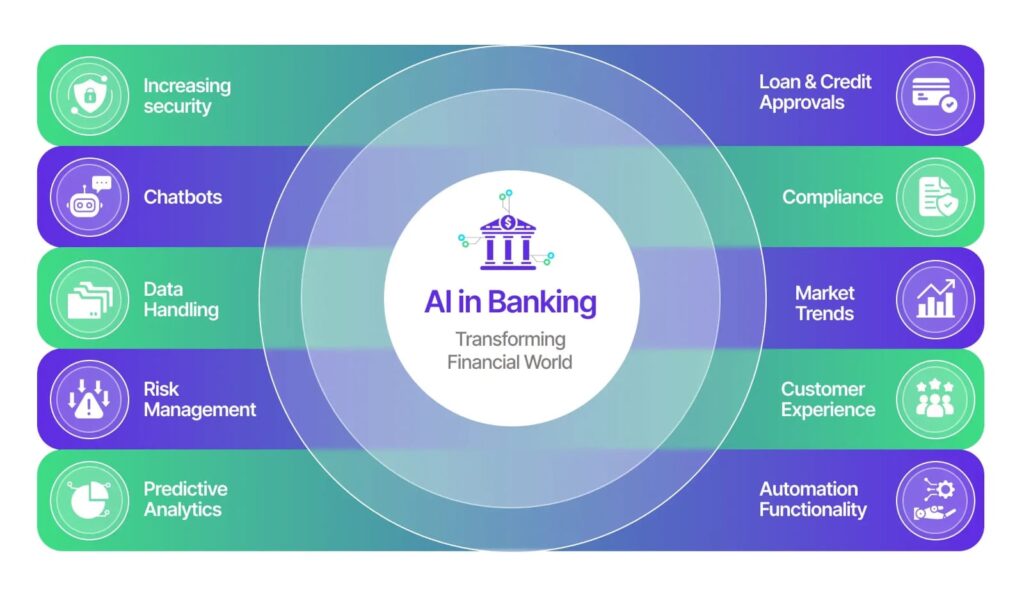
AI ensures operational accuracy by reducing human errors in transaction handling, compliance, and reporting. Customers benefit from faster service, personalized advice, and proactive support through chatbots and AI-powered assistants.
𝐇𝐨𝐰 𝐀𝐈 𝐈𝐬 𝐄𝐧𝐚𝐛𝐥𝐢𝐧𝐠 𝐏𝐞𝐫𝐬𝐨𝐧𝐚𝐥𝐢𝐳𝐞𝐝 𝐁𝐚𝐧𝐤𝐢𝐧𝐠 𝐚𝐧𝐝 𝐏𝐫𝐞𝐝𝐢𝐜𝐭𝐢𝐯𝐞 𝐈𝐧𝐯𝐞𝐬𝐭𝐦𝐞𝐧𝐭 𝐒𝐭𝐫𝐚𝐭𝐞𝐠𝐢𝐞𝐬 𝐭𝐨 𝐌𝐞𝐞𝐭 𝐈𝐧𝐝𝐢𝐯𝐢𝐝𝐮𝐚𝐥 𝐂𝐮𝐬𝐭𝐨𝐦𝐞𝐫 𝐍𝐞𝐞𝐝𝐬 𝐚𝐧𝐝 𝐌𝐚𝐱𝐢𝐦𝐢𝐳𝐞 𝐑𝐞𝐭𝐮𝐫𝐧𝐬
AI is transforming the customer experience by analyzing individual behavior, transaction patterns, and financial goals. Personalized insights and predictive investment strategies enable customers to make smarter decisions while ensuring financial institutions maintain stronger engagement and loyalty. Machine learning algorithms also predict trends, allowing proactive adjustments to portfolios and reducing risks.
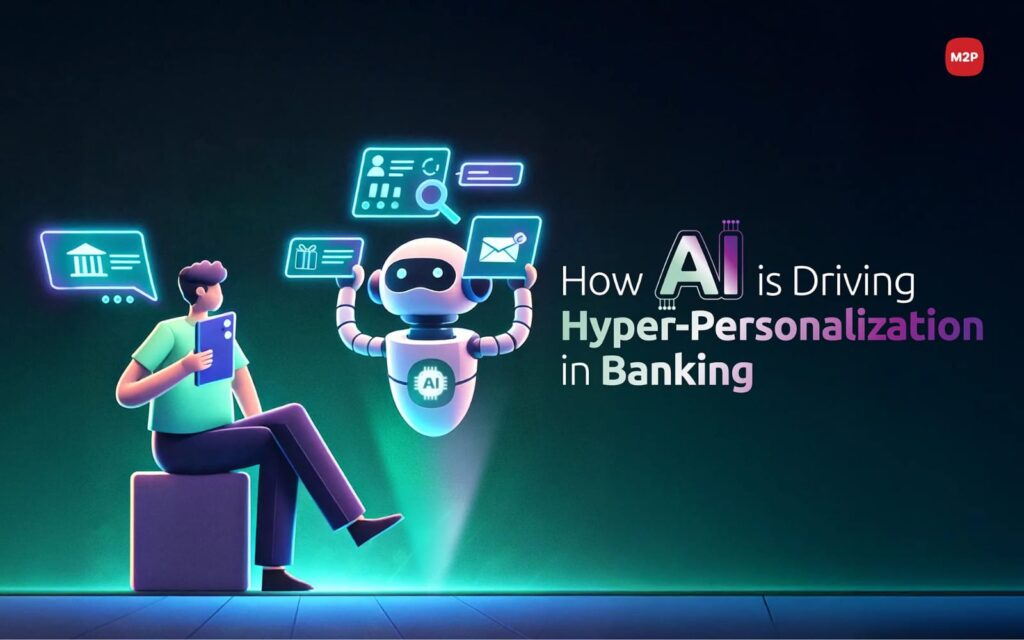
𝐇𝐨𝐰 𝐂𝐮𝐬𝐭𝐨𝐦𝐞𝐫-𝐂𝐞𝐧𝐭𝐫𝐢𝐜 𝐒𝐞𝐫𝐯𝐢𝐜𝐞𝐬 𝐚𝐫𝐞 𝐄𝐧𝐡𝐚𝐧𝐜𝐞𝐝 𝐓𝐡𝐫𝐨𝐮𝐠𝐡 𝐀𝐈-𝐏𝐨𝐰𝐞𝐫𝐞𝐝 𝐂𝐨𝐧𝐬𝐮𝐦𝐞𝐫 𝐒𝐮𝐩𝐩𝐨𝐫𝐭 𝐚𝐧𝐝 𝐑𝐞𝐜𝐨𝐦𝐦𝐞𝐧𝐝𝐚𝐭𝐢𝐨𝐧 𝐒𝐲𝐬𝐭𝐞𝐦𝐬
AI chatbots and virtual assistants provide real-time guidance and personalized recommendations, making banking more interactive, responsive, and user-friendly.
𝐇𝐨𝐰 𝐌𝐚𝐜𝐡𝐢𝐧𝐞 𝐋𝐞𝐚𝐫𝐧𝐢𝐧𝐠 𝐢𝐬 𝐔𝐬𝐞𝐝 𝐭𝐨 𝐏𝐫𝐞𝐝𝐢𝐜𝐭 𝐌𝐚𝐫𝐤𝐞𝐭 𝐓𝐫𝐞𝐧𝐝𝐬 𝐚𝐧𝐝 𝐎𝐩𝐭𝐢𝐦𝐢𝐳𝐞 𝐈𝐧𝐯𝐞𝐬𝐭𝐦𝐞𝐧𝐭 𝐏𝐨𝐫𝐭𝐟𝐨𝐥𝐢𝐨𝐬
By analyzing historical data and current market trends, machine learning algorithms help investors make informed decisions while reducing exposure to unnecessary risk.
𝐇𝐨𝐰 𝐀𝐈 𝐈𝐬 𝐑𝐞𝐯𝐨𝐥𝐮𝐭𝐢𝐨𝐧𝐢𝐳𝐢𝐧𝐠 𝐑𝐢𝐬𝐤 𝐌𝐚𝐧𝐚𝐠𝐞𝐦𝐞𝐧𝐭 𝐚𝐧𝐝 𝐅𝐫𝐚𝐮𝐝 𝐃𝐞𝐭𝐞𝐜𝐭𝐢𝐨𝐧 𝐢𝐧 𝐌𝐨𝐝𝐞𝐫𝐧 𝐅𝐢𝐧𝐚𝐧𝐜𝐞 𝐛𝐲 𝐄𝐧𝐚𝐛𝐥𝐢𝐧𝐠 𝐑𝐞𝐚𝐥-𝐓𝐢𝐦𝐞 𝐌𝐨𝐧𝐢𝐭𝐨𝐫𝐢𝐧𝐠 𝐚𝐧𝐝 𝐀𝐝𝐯𝐚𝐧𝐜𝐞𝐝 𝐃𝐚𝐭𝐚 𝐀𝐧𝐚𝐥𝐲𝐭𝐢𝐜𝐬
AI is dramatically improving how financial institutions detect and prevent fraud while managing risks. Traditional risk management relied on historical data and manual oversight, which often led to delayed responses and missed patterns. AI-powered systems analyze vast datasets in real time, identifying suspicious activities, predicting potential defaults, and providing actionable insights for both operational and strategic decisions. This technology allows institutions to proactively address vulnerabilities and protect their customers and shareholders more effectively.
𝐇𝐨𝐰 𝐒𝐮𝐬𝐩𝐢𝐜𝐢𝐨𝐮𝐬 𝐀𝐜𝐭𝐢𝐯𝐢𝐭𝐢𝐞𝐬 𝐚𝐫𝐞 𝐈𝐝𝐞𝐧𝐭𝐢𝐟𝐢𝐞𝐝 𝐚𝐧𝐝 𝐏𝐫𝐞𝐯𝐞𝐧𝐭𝐞𝐝 𝐈𝐧 𝐑𝐞𝐚𝐥 𝐓𝐢𝐦𝐞 𝐭𝐨 𝐌𝐢𝐭𝐢𝐠𝐚𝐭𝐞 𝐅𝐢𝐧𝐚𝐧𝐜𝐢𝐚𝐥 𝐑𝐢𝐬𝐤𝐬
AI systems use pattern recognition, anomaly detection, and predictive models to spot fraudulent transactions as they happen. This instant detection prevents losses and ensures that banks can intervene before fraud escalates. By continuously learning from new data, AI becomes increasingly accurate in flagging genuine risks while minimizing false alarms.

𝐇𝐨𝐰 𝐅𝐢𝐧𝐚𝐧𝐜𝐢𝐚𝐥 𝐈𝐧𝐬𝐭𝐢𝐭𝐮𝐭𝐢𝐨𝐧𝐬 𝐁𝐚𝐥𝐚𝐧𝐜𝐞 𝐒𝐞𝐜𝐮𝐫𝐢𝐭𝐲 𝐚𝐧𝐝 𝐂𝐮𝐬𝐭𝐨𝐦𝐞𝐫 𝐏𝐫𝐢𝐯𝐚𝐜𝐲 𝐖𝐡𝐢𝐥𝐞 𝐈𝐦𝐩𝐥𝐞𝐦𝐞𝐧𝐭𝐢𝐧𝐠 𝐀𝐃𝐕𝐀𝐍𝐂𝐄𝐃 𝐀𝐈 𝐒𝐲𝐬𝐭𝐞𝐦𝐬
AI allows financial institutions to maintain a delicate balance between robust security measures and respecting customer privacy. Techniques like anonymization, encrypted data handling, and strict access controls ensure compliance with regulations while still enabling real-time monitoring and predictive analytics.
𝐓𝐡𝐞 𝐄𝐭𝐡𝐢𝐜𝐚𝐥 𝐂𝐡𝐚𝐥𝐥𝐞𝐧𝐠𝐞𝐬 𝐚𝐧𝐝 𝐑𝐞𝐠𝐮𝐥𝐚𝐭𝐨𝐫𝐲 𝐂𝐨𝐧𝐬𝐢𝐝𝐞𝐫𝐚𝐭𝐢𝐨𝐧𝐬 𝐟𝐨𝐫 𝐀𝐈 𝐈𝐧𝐭𝐞𝐠𝐫𝐚𝐭𝐢𝐨𝐧 𝐢𝐧 𝐓𝐡𝐞 𝐅𝐢𝐧𝐚𝐧𝐜𝐢𝐚𝐥 𝐒𝐞𝐜𝐭𝐨𝐫
As AI becomes central to financial operations, ethical and regulatory challenges must be addressed. AI decision-making models may inadvertently include bias, affecting loan approvals, credit scoring, and investment advice. Transparent AI models, ethical guidelines, and robust regulatory oversight are essential to ensure fairness, accountability, and consumer trust.
𝐔𝐧𝐝𝐞𝐫𝐬𝐭𝐚𝐧𝐝𝐢𝐧𝐠 𝐀𝐧𝐝 𝐌𝐢𝐭𝐢𝐠𝐚𝐭𝐢𝐧𝐠 𝐁𝐢𝐚𝐬 𝐢𝐧 𝐀𝐈-𝐃𝐫𝐢𝐯𝐞𝐧 𝐅𝐢𝐧𝐚𝐧𝐜𝐢𝐚𝐥 𝐒𝐲𝐬𝐭𝐞𝐦𝐬

Financial institutions must ensure AI models are trained on diverse datasets to avoid systemic bias. Regular audits, fairness metrics, and human oversight are necessary to ensure ethical decisions and equitable access to financial services for all clients.
𝐓𝐡𝐞 𝐍𝐞𝐞𝐝 𝐟𝐨𝐫 𝐒𝐭𝐚𝐧𝐝𝐚𝐫𝐝𝐢𝐳𝐞𝐝 𝐆𝐨𝐯𝐞𝐫𝐧𝐚𝐧𝐜𝐞 𝐚𝐧𝐝 𝐑𝐞𝐠𝐮𝐥𝐚𝐭𝐨𝐫𝐲 𝐏𝐫𝐚𝐜𝐭𝐢𝐜𝐞𝐬 𝐟𝐨𝐫 𝐀𝐈 𝐢𝐧 𝐅𝐢𝐧𝐚𝐧𝐜𝐞
Global standardization of AI governance ensures institutions follow consistent guidelines, maintain transparency, and adhere to ethical and legal requirements. Regulatory bodies are increasingly issuing frameworks to guide safe AI adoption while protecting consumers.
𝐓𝐡𝐞 𝐅𝐮𝐭𝐮𝐫𝐞 𝐨𝐟 𝐅𝐢𝐧𝐚𝐧𝐜𝐞 𝐰𝐢𝐭𝐡 𝐀𝐈: 𝐈𝐧𝐧𝐨𝐯𝐚𝐭𝐢𝐨𝐧, 𝐃𝐢𝐬𝐫𝐮𝐩𝐭𝐢𝐨𝐧, 𝐚𝐧𝐝 𝐄𝐦𝐞𝐫𝐠𝐢𝐧𝐠 𝐎𝐩𝐩𝐨𝐫𝐭𝐮𝐧𝐢𝐭𝐢𝐞𝐬 𝐟𝐨𝐫 𝐂𝐨𝐧𝐬𝐮𝐦𝐞𝐫𝐬, 𝐁𝐚𝐧𝐤𝐬, 𝐚𝐧𝐝 𝐈𝐧𝐯𝐞𝐬𝐭𝐨𝐫𝐬
The future of finance with AI is poised for continuous innovation and disruption. AI-driven analytics, smart contracts, and digital platforms are enabling faster and more informed decisions for investors and customers alike. Financial ecosystems will be more interconnected, adaptive, and efficient, providing opportunities for growth, enhanced service delivery, and improved economic stability globally.

𝐇𝐨𝐰 𝐅𝐢𝐧𝐭𝐞𝐜𝐡 𝐒𝐭𝐚𝐫𝐭𝐮𝐩𝐬 𝐚𝐫𝐞 𝐋𝐞𝐯𝐞𝐫𝐚𝐠𝐢𝐧𝐠 𝐀𝐈 𝐭𝐨 𝐑𝐞𝐝𝐞𝐟𝐢𝐧𝐞 𝐓𝐡𝐞 𝐃𝐢𝐠𝐢𝐭𝐚𝐥 𝐅𝐢𝐧𝐚𝐧𝐜𝐢𝐚𝐥 𝐋𝐚𝐧𝐝𝐬𝐜𝐚𝐩𝐞 𝐚𝐧𝐝 𝐏𝐫𝐨𝐯𝐢𝐝𝐞 𝐍𝐞𝐰 𝐂𝐮𝐬𝐭𝐨𝐦𝐞𝐫 𝐄𝐱𝐩𝐞𝐫𝐢𝐞𝐧𝐜𝐞𝐬
Startups are harnessing AI to offer digital-first solutions such as automated financial advisors, personalized portfolio management, and real-time analytics. These innovations challenge traditional banking and accelerate digital adoption globally.
𝐇𝐨𝐰 𝐈𝐧𝐝𝐢𝐯𝐢𝐝𝐮𝐚𝐥𝐬 𝐚𝐧𝐝 𝐎𝐫𝐠𝐚𝐧𝐢𝐳𝐚𝐭𝐢𝐨𝐧𝐬 𝐂𝐚𝐧 𝐏𝐫𝐞𝐩𝐚𝐫𝐞 𝐟𝐨𝐫 𝐚𝐧 𝐀𝐈-𝐃𝐫𝐢𝐯𝐞𝐧 𝐅𝐢𝐧𝐚𝐧𝐜𝐢𝐚𝐥 𝐅𝐮𝐭𝐮𝐫𝐞 𝐛𝐲 𝐄𝐦𝐛𝐫𝐚𝐜𝐢𝐧𝐠 𝐒𝐤𝐢𝐥𝐥 𝐃𝐞𝐯𝐞𝐥𝐨𝐩𝐦𝐞𝐧𝐭, 𝐀𝐝𝐚𝐩𝐭𝐚𝐭𝐢𝐨𝐧, 𝐚𝐧𝐝 𝐒𝐭𝐫𝐚𝐭𝐞𝐠𝐢𝐜 𝐓𝐫𝐚𝐧𝐬𝐟𝐨𝐫𝐦𝐚𝐭𝐢𝐨𝐧
To thrive in an AI-driven financial ecosystem, individuals must upgrade their digital literacy and analytical skills, while organizations should adopt AI strategies that balance technology adoption with ethical practices. This approach ensures long-term sustainability, competitiveness, and growth in the evolving market.

𝐂𝐨𝐧𝐜𝐥𝐮𝐬𝐢𝐨𝐧: 𝐀𝐈 𝐚𝐧𝐝 𝐭𝐡𝐞 𝐓𝐫𝐚𝐧𝐬𝐟𝐨𝐫𝐦𝐚𝐭𝐢𝐨𝐧 𝐨𝐟 𝐭𝐡𝐞 𝐆𝐥𝐨𝐛𝐚𝐥 𝐅𝐢𝐧𝐚𝐧𝐜𝐢𝐚𝐥 𝐖𝐨𝐫𝐥𝐝 𝐢𝐧 𝐭𝐡𝐞 21𝐬𝐭 𝐂𝐞𝐧𝐭𝐮𝐫𝐲
In conclusion, Artificial Intelligence is no longer a futuristic concept in finance—it is actively reshaping the way financial institutions operate, how investors make decisions, and how customers engage with banking services. From enhancing risk management and fraud detection to enabling personalized banking and predictive investment strategies, AI has become a cornerstone of modern finance. While ethical and regulatory challenges exist, the responsible adoption of AI technologies promises greater efficiency, transparency, and innovation.
As we move further into the 21st century, the integration of AI in finance is expected to accelerate, offering new opportunities for startups, investors, and global markets alike. Individuals and organizations that embrace AI, invest in skill development, and adopt strategic digital transformations will be best positioned to thrive in this evolving ecosystem. Ultimately, AI is not just transforming finance—it is creating a smarter, more adaptive, and more inclusive financial world for everyone.